When your yard struggles to grow healthy grass or plants, poor soil is often the reason. Clay-heavy, rocky, or sandy soils can make it difficult for roots to thrive. But don’t worry — with the right landscaping approach, you can still create a beautiful, functional outdoor space. Professional landscaping services in Takanini offer several smart solutions designed to overcome poor soil challenges and turn dull yards into lively landscapes.
Soil Assessment and Improvement
The first step toward better landscaping is understanding what kind of soil you’re dealing with. Expert landscapers usually begin with a soil test to check texture, drainage, and nutrient levels. Based on the results, they may improve the soil by adding organic compost, topsoil, or gypsum to loosen clay. In some cases, raised garden beds or imported topsoil can be used to create better growing zones. When you choose professional landscaping services in Takanini, you’re not just getting design work — you’re getting soil science expertise too.
Smart Plant Selection for Difficult Soils
Not all plants need perfect soil to survive. Certain native and hardy species can grow well even when conditions are less than ideal. Landscapers often recommend drought-tolerant plants for sandy soils or moisture-loving varieties for clay-based areas. These plant selections not only survive but often require less maintenance. By letting professionals handle plant selection as part of your landscaping services in Takanini, you ensure that every plant fits the environment naturally.
Hardscaping for Long-Lasting Appeal
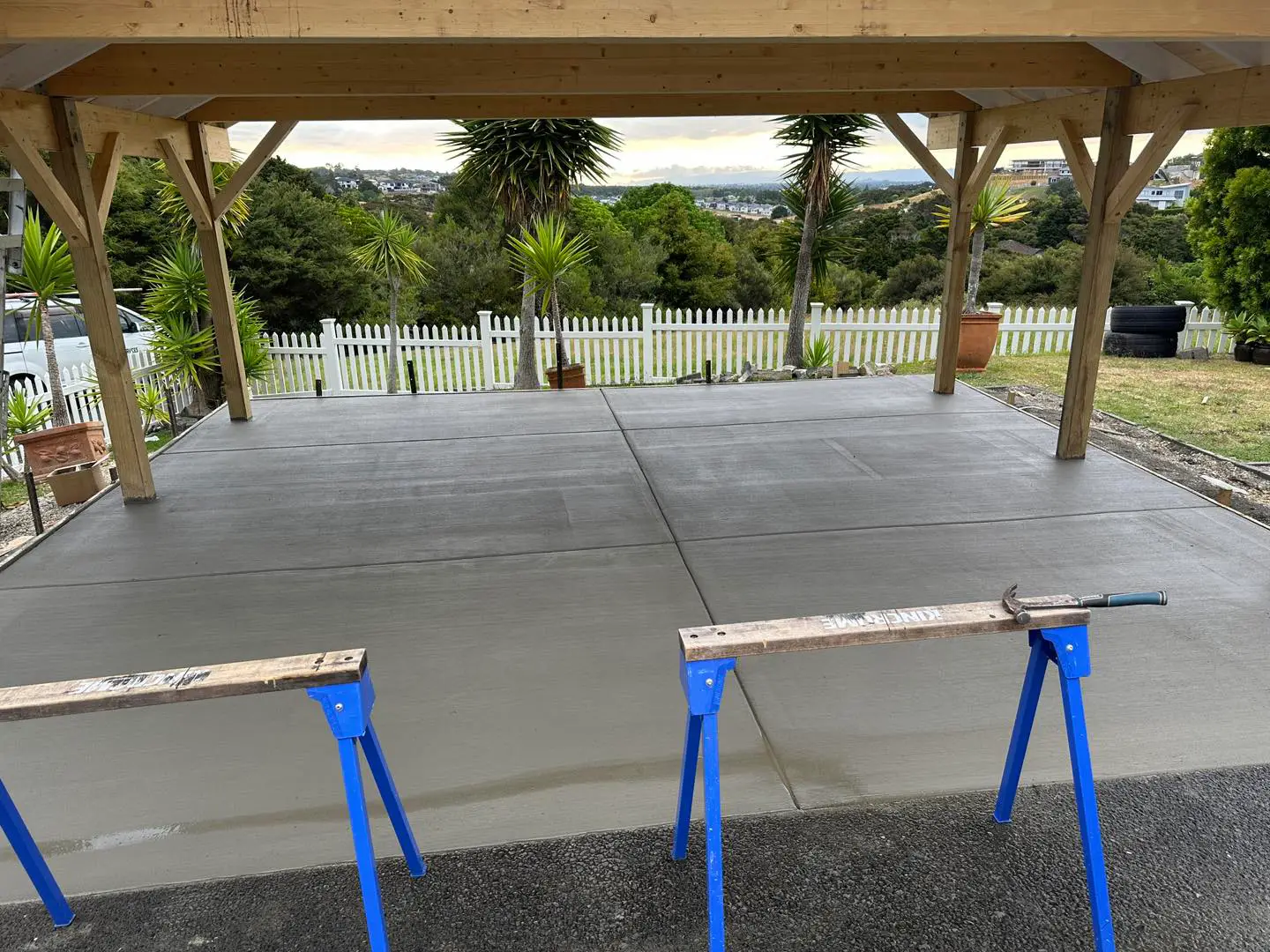
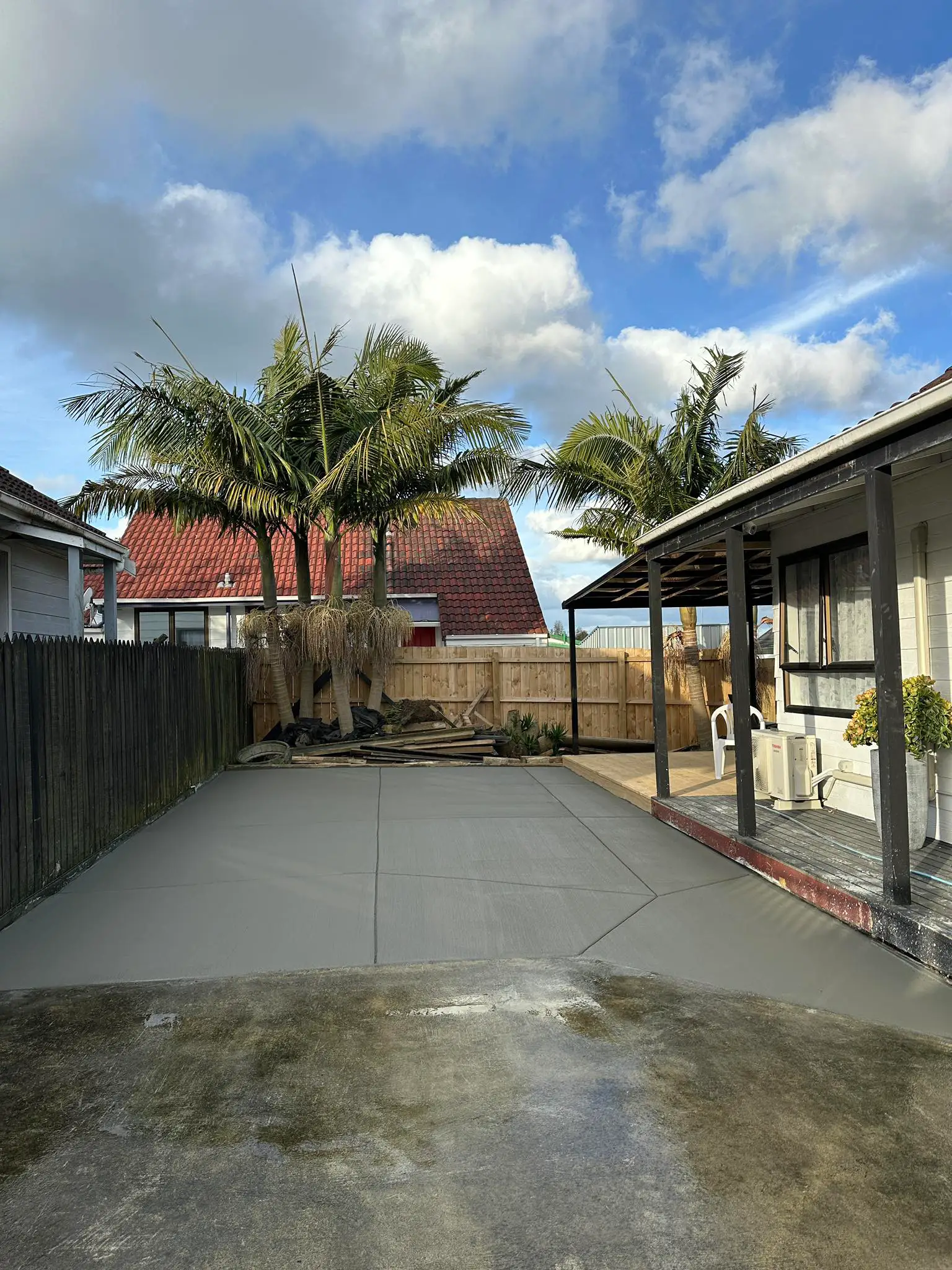
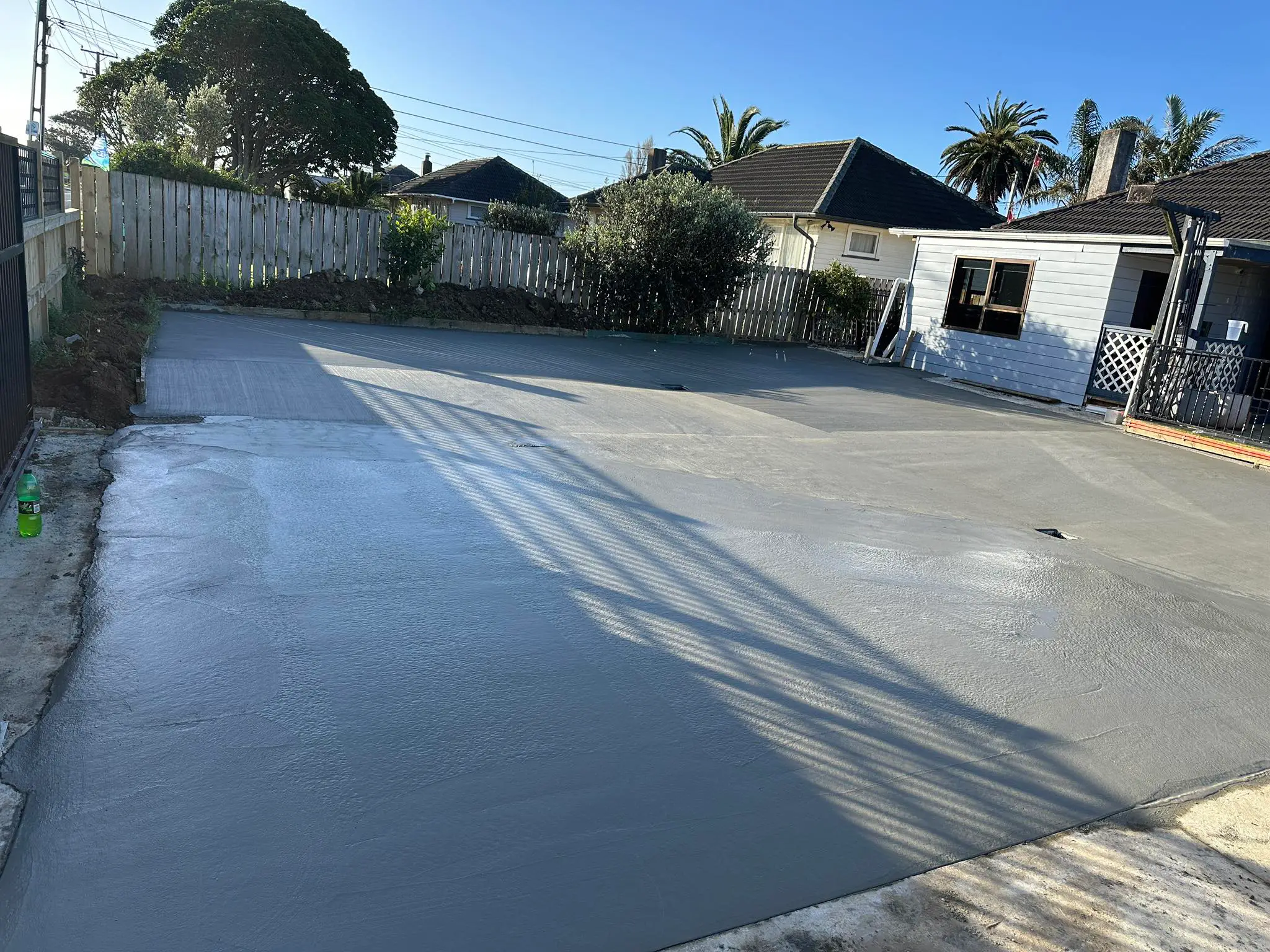
When the soil is too poor for extensive planting, hardscaping becomes a game-changer. Features like stone pathways, patios, retaining walls, and decorative gravel areas can make your yard look beautiful while minimising the need for healthy soil. Skilled landscapers balance hard surfaces with greenery to create structure and charm, even when the ground beneath isn’t perfect.
Raised Beds and Mulching Solutions
Raised garden beds are an excellent option for poor soil. They allow for controlled growing environments filled with rich, balanced soil. Mulching, on the other hand, helps retain moisture and protect the surface from erosion — two common issues with bad soil. These methods are simple yet highly effective for keeping plants healthy year-round.
Some Final Thoughts
Poor soil doesn’t mean poor landscaping. With creativity, planning, and professional expertise, any yard can be transformed. The right team can turn that stubborn soil into a thriving, eye-catching outdoor retreat — proving that nature always has a workaround when handled by the right hands.