Healthcare facilities rely on constant power to keep patients safe. But when a power cut happens, even for a moment, every second counts. That is why emergency lighting in Ōtaki plays a major role in hospitals, clinics, and aged-care centres. It is not just a backup option; it is a safety system that protects lives. When corridors become dark or equipment powers down, emergency lighting helps guide patients and staff to safety without confusion or panic.
Why Emergency Lighting Matters So Much in Healthcare
Hospitals must never shut down. Doctors, nurses, and support teams need to move quickly, even in unexpected situations. Patients might be on stretchers, wheelchairs, or dependent on life-saving machines. Clear visibility makes everything easier and safer. Emergency lights keep pathways bright during fire alarms, help during evacuations, and allow staff to attend to medical tasks confidently. Without them, even familiar spaces become risky.
Meeting Safety Rules and Standards
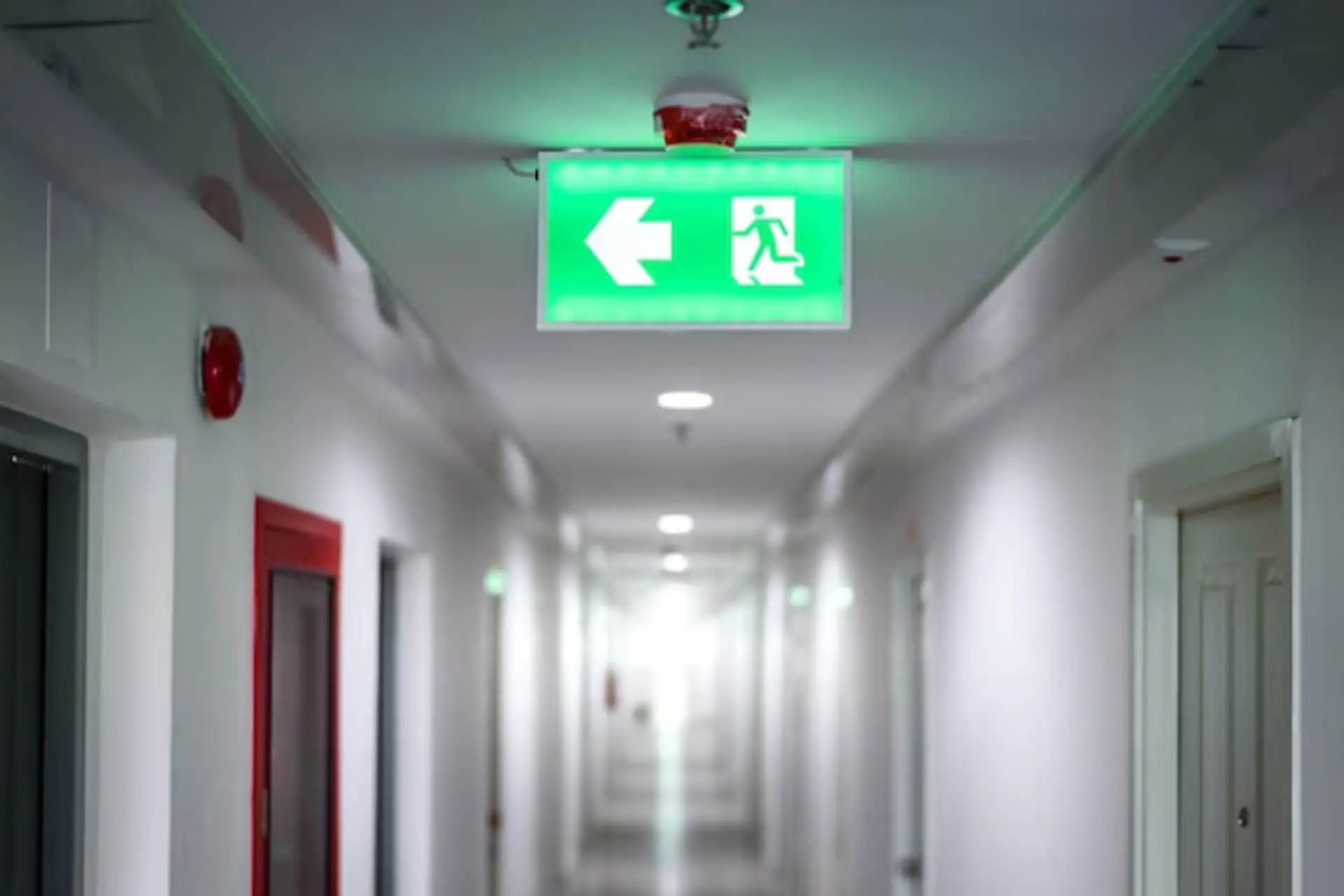
Healthcare facilities follow strict safety regulations. Emergency lighting must be installed correctly, tested regularly, and ready for immediate action. Professionals who handle emergency lighting in Ōtaki ensure compliance with building standards and healthcare guidelines. From exit signs to stairwell lighting, everything needs to function perfectly during a power failure or emergency event.
Different Areas, Different Lighting Needs
Hospitals are busy places with specialised departments. Operating theatres need strong, focused emergency lights for ongoing treatments. Corridors, waiting areas, and emergency exits need broader illumination to guide movement. Staff rooms and storage spaces must also be accessible when power is down. Each space has its own lighting plan designed to reduce risks and support quick decisions.
Maintenance Is Not Optional
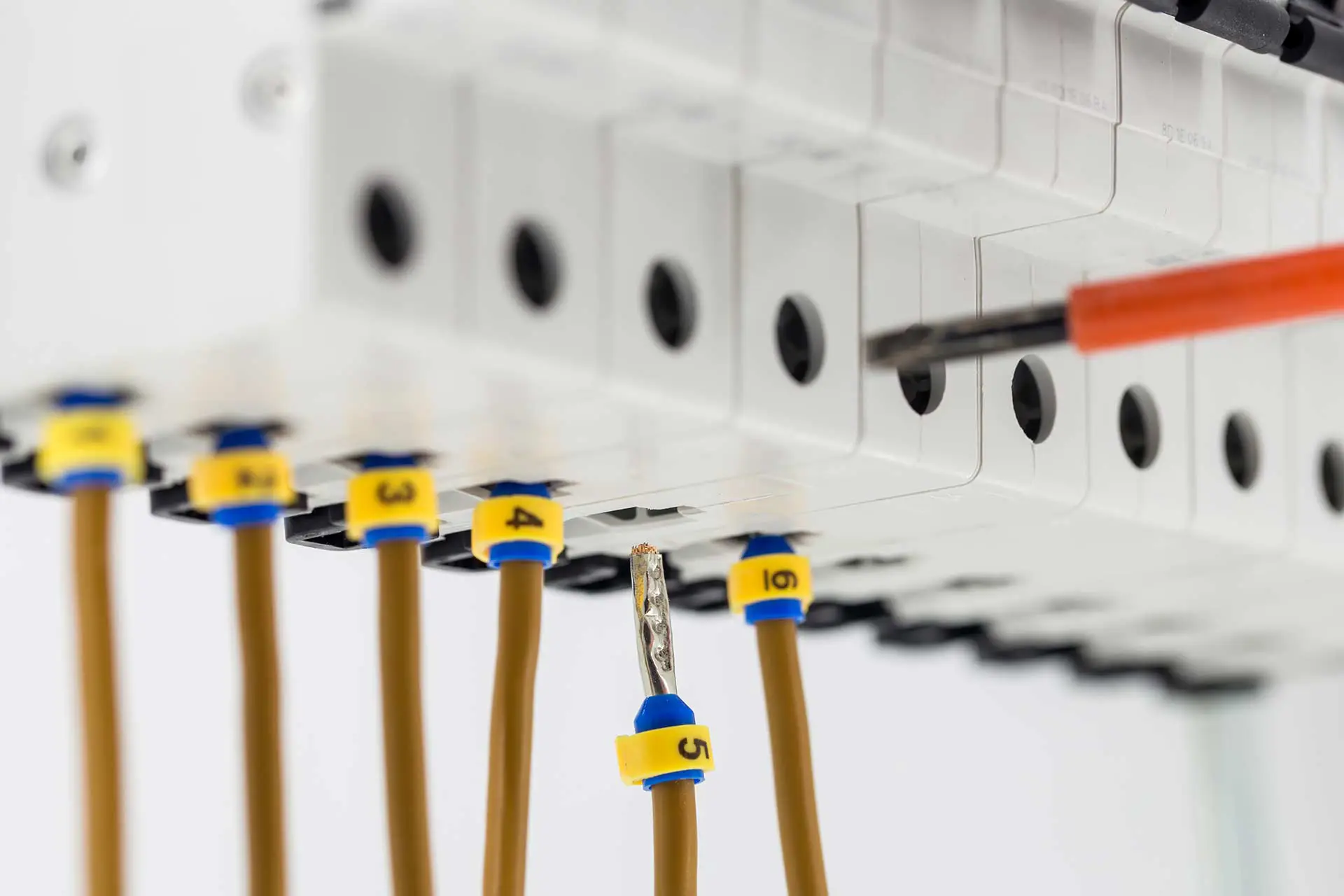
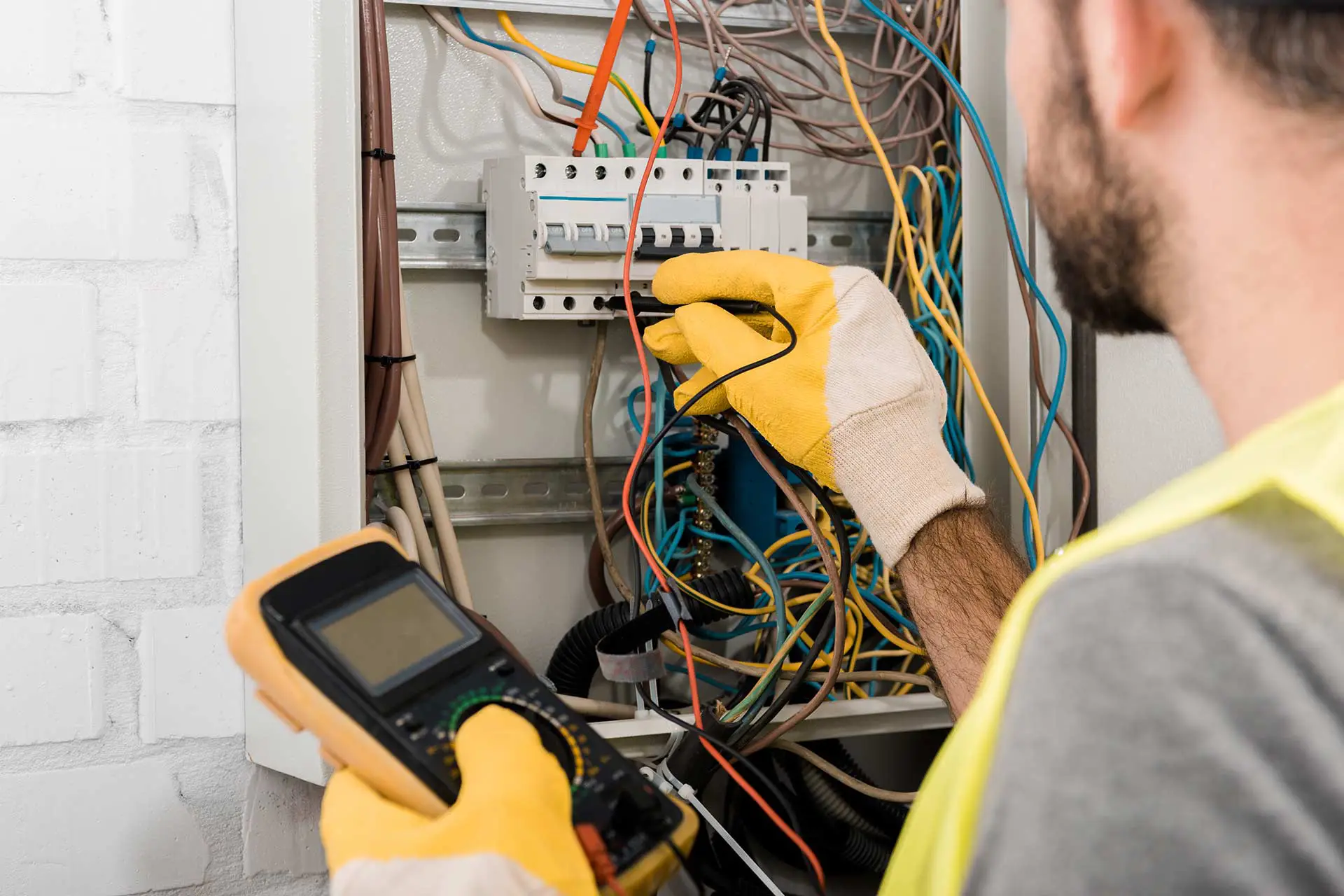
Emergency systems must be reliable all the time. Regular inspections, testing, and battery checks are essential. Skilled electricians offering emergency lighting in Ōtaki help healthcare facilities stay ready for anything. Faulty lights or weak batteries could lead to chaos at the worst possible moment, making maintenance a priority, not a formality.
Some Final Thoughts
Emergency lighting may seem simple, but in healthcare, it is a silent guardian. It is there for every critical moment when the unexpected happens and people need reassurance. Bright lights, clear paths, and safe movement can make the biggest difference. In hospitals, safety should never go dark because every life is worth the light.