A Comprehensive Guide to Residential Scaffolding: What Homeowners Need to Know
Residential scaffolding plays a critical role in ensuring safe, efficient, and compliant access for any home construction or renovation project. Whether you’re planning a roof replacement, repainting your exterior, or adding a home extension, the right scaffolding setup makes all the difference in quality, productivity, and safety. This guide breaks down everything homeowners should know before hiring scaffolding services.
What Is Residential Scaffolding?
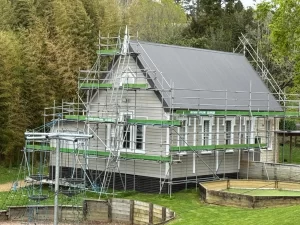
Residential scaffolding is a temporary structure installed around homes to provide secure access at various heights. Unlike commercial scaffolding, which is designed for large-scale buildings, residential systems are lightweight, adaptable, and specifically engineered to suit the unique architecture of homes, bungalows, and multi-level residences.
These structures help workers perform tasks such as painting, roofing, repairs, and installations safely and effectively.
Why Residential Scaffolding Is Essential
1. Enhanced Safety
Safety is the primary benefit of scaffolding. A well-designed scaffold reduces the risk of falls, accidents, and uneven footing—especially important for tasks carried out above ground level. Handrails, non-slip platforms, and guardrails further increase safety for workers and homeowners.
2. Improved Efficiency
A stable working platform allows tradespeople to move freely, store tools, and maintain consistent productivity. This leads to faster completion times and fewer delays, making your project more cost-effective.
3. Accessibility for All Areas
Scaffolding offers access to hard-to-reach spaces such as high walls, roof edges, chimneys, gutters, and second-storey windows. This accessibility ensures your contractor can deliver high-quality results without compromising safety or precision.
Types of Residential Scaffolding
• Frame Scaffolding
This is the most common type used in residential projects. It is quick to assemble, lightweight, and ideal for painting, cladding, and general maintenance.
• Mobile Scaffolding
Fitted with wheels, mobile scaffolds are perfect for projects that require frequent repositioning, such as exterior plastering or interior access work.
• Roof Edge Protection
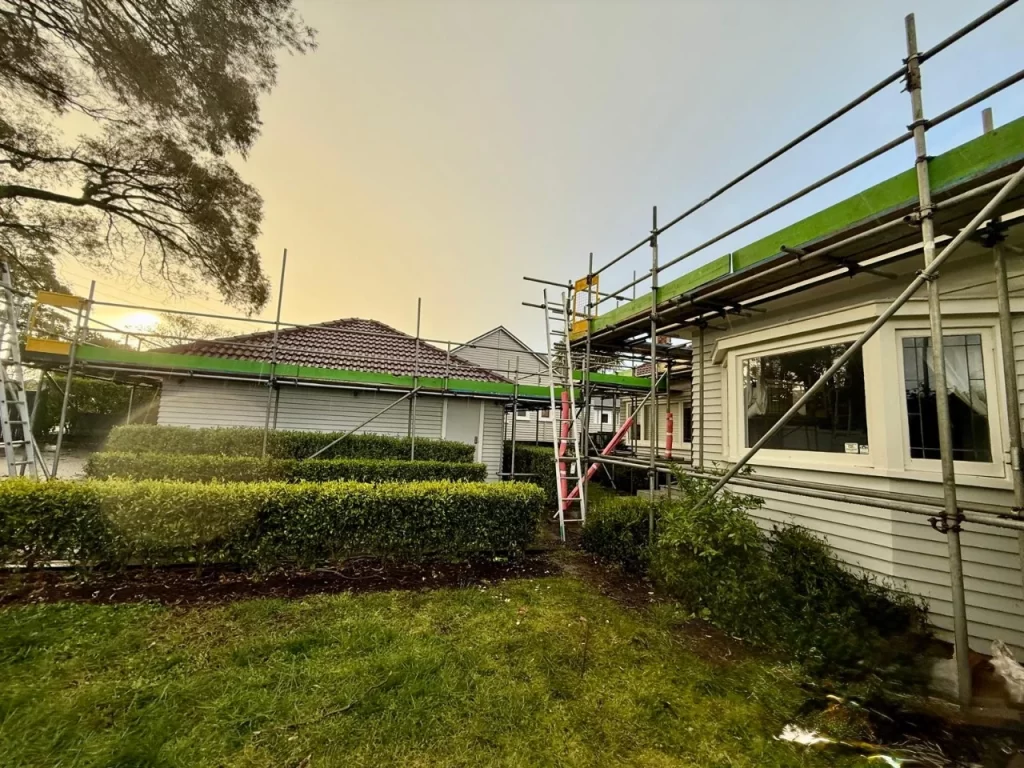
Installed along the perimeter of roofs, this system prevents falls and provides maximum safety for roofing and solar panel installation jobs.
• Tube and Clip Scaffolding
Highly versatile and adjustable, this option works well for homes with irregular shapes or difficult architectural layouts.
When Do You Need Residential Scaffolding?
You may require scaffolding for:
- Roof repairs or replacements
- Exterior painting or plastering
- Gutter repairs and cleaning
- Window replacement or installation
- Chimney repairs
- Building extensions or structural upgrades
- Solar panel installation
If the work involves height or risks unsafe ladder use, scaffolding is usually recommended.
How to Choose the Right Scaffolding Company
1. Check for Licensing and Safety Compliance
Always choose a licensed scaffolding contractor who follows industry safety standards and carries insurance.
2. Look for Experience in Residential Projects
Residential scaffolding requires skill, adaptability, and structural understanding. Experienced providers can tailor systems to your property efficiently.
3. Demand Clear Pricing
A reliable company will offer transparent quotes with no hidden fees for installation, hire duration, or dismantling.
4. Prioritize Communication
Choose a team that explains the process clearly and responds promptly to questions or concerns.
Benefits of Hiring Professional Scaffolding Services
- Peace of mind knowing the structure is safe
- Faster project completion
- Reduced risk of property damage
- Customised solutions for unique home designs
- Professional installation and dismantling
Conclusion
Residential scaffolding is an essential component of home improvement and construction projects, offering unmatched safety, accessibility, and productivity. By hiring a qualified scaffolding contractor, homeowners can ensure their projects run smoothly, safely, and efficiently.